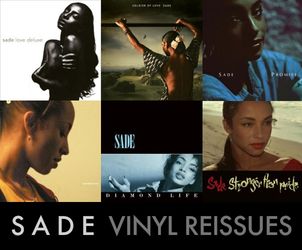
Pre-Order Sade LPs
Sade's six studio albums are finally being released individually on vinyl.

Pre-Order Rosalia LP
MOTOMAMI + will be available August 2 on deluxe crystal clear 2LP with 8 bonus tracks.
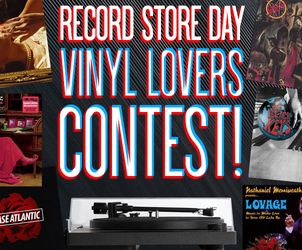
Record Store Day Vinyl Lovers Contest
Win a Victrola T1 Turntable System, 10 LPs, Selektor record bags + a $100 Amoeba gift certificate!


What's New
View All


Live at Amoeba
View All

deadmau5 Signing
Today 12pm - Hollywood
Loren Kramar
May 1st 5pm - Hollywood
Kamasi Washington Listening Party
May 2nd 5pm - San Francisco
San Fermin
May 4th 3pm - San Francisco
Music We Like
Great Deals on Handpicked Titles!






What's In My Bag?
View All
Indie Exclusives

Check out our Indie Exclusive section on Amoeba.com! It's chock full of vinyl and CDs only available to independent record stores. You'll find limited edition colored vinyl, signed CDs, and alternative artwork. Oh, the joys of being independent.
Amoeba Podcast

Every Thursday on EarWax, two longtime record store clerks share the stories behind the albums we love. Hilary and Cody also chat about new releases and in-store events, so you can stay up to date with Amoeba.
Gift Certificates

Give the music or movie lover in your life a gift certificate for our stores or an online gift code.