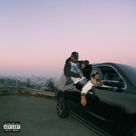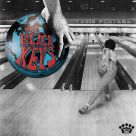
Best Coast's The Only Place comes out next week (pre-order from Amoeba here). Without spoiling it too much, I can say Bethany Cosentino, Bobb Bruno and producer Jon Brion have produced the album you hope for, with Cosentino's voice maturing markedly over gorgeous cleaned up sonics, while the lyrics retain the directness and charm that made Crazy For You so appealing. I spoke to Cosentino a bit about what went into making the album, and asked her to produce a list from her beloved "Dad Rock" genre, which she graciously did. (See Best Coast with Abe Vigoda at the Wiltern May 18!)PST: How has the way the vocals are presented on record changed? Does the way that has changed have to do with confidence, or was it always an aesthetic choice?
Cosentino: The vocals are just more present and up front — which has a lot to do with confidence and me just learning how to use my voice in other ways. Singing on stage every night for the last three years has given me the confidence to sing differently, and I wanted that growth to be showcased n this album. I’m a singer — that’s what I’ve always been, and I want people to hear that.
PST: “The Only Place” (download free from Amoeba) to me sounds like what I want to hear when I cross the state line into California. It has a similar vibe to a number of California songs but I think feels more L.A. specific because of its punkier feel, kind of like a fantasy of California mixed with the real thing. What was the goal with that song?
Cosentino: I wanted to write an homage to this place that makes me so happy and relaxed and I wanted to make other people feel the love I have for California. In a way too, I wanted To write a song that would make people be like “whoa wait — California seems awesome.” I’m trying to get the state tourism board to accept it as the new CA anthem!
PST: “Dreaming My Life Away” sounded really cool and different in its earlier version, sort of more overtly melancholy and somber than some other Best Coast songs. How does the new recording change things?
Cosentino: It has a pretty creepy feel to it, almost like David Lynch or something. The original recording had the same sort of feel, I just think the new recording includes a few new elements and sounds better than the first because it’s sonically better and my singing is stronger.
PST: What influences did you tap into on this record that you think are new influences or you didn’t tap into as much before?
Cosentino: I listened to a lot of Fleetwood Mac while making this record, and though they were a band that I loved while recording Crazy For You, I don’t think the influence was very obvious. It might be a bit more on this record. I also just got really inspired by female vocalists, and I used those influences to sing to he best of my abilities.
PST: You stayed as a three-person live band sans bass for a long time but recently switched to a four-piece and worked with orchestral pop maestro Jon Brion. Was that important to keep Best Coast as its original form for as long as you could? How do you think you’ll continue to expand upon what Best Coast means, either live or on record?
Cosentino: We stayed as a three piece because we didn’t have time to add another live member — we literally toured for two years straight, and we knew we wanted a bass player, we just were like — when the fuck are we going to find the time to do this? When we went in to record the new record, we wanted to change it up, and we had the time to put together a new line up and we wanted to have a stronger live show, so we worked on that a lot. The band all always be Bobb and myself — we will never add another permanent members. That’s something we agreed upon from the start.
PST: Speaking of Jon Brion, he certainly makes the list of producers (like Steve Albini, Alan Moulder, Dave Fridman etc.) who really make their presence felt on a record. How did you balance what he brought to the record with your own style?
Cosentino: Jon didn’t want his fingerprint on this record — he didn’t want it to sound like a Jon Brion record — he just wanted to make a Best Coast record with a more sonically enhanced sound, and I think that’s exactly what he did.
PST: Would you consider making us either a list of songs or top 10 albums of your favorite Dad Rock?
"Dust in the Wind" - Kansas (from the album Point of Know Return)


Danilova, meanwhile, dug into a gauzy set that relied heavily on her recently released
Geoffrey O’Connor, frontman for Australian indie pop band Crayon Fields, released his debut record under his own name this week with Vanity Is Forever, a dark and sexy collection of new romantic pop reminiscent of Bryan Ferry and later-period Roxy Music. It’s gorgeous stuff, and tonight he’ll play it at Hollywood Forever Cemetery alongside Swedish songsmith Jens Lekman at 8 p.m. I took a minute to chat with O’Connor about his music upbringing and influences — surprise, it’s not all ’80s all the time!
PST: What are some of the influences, musical or otherwise, that got you making the music that appears on this album?
post break up anthems, or songs about loss and depression that just seep of sadness yet draw us like a moth to a flame. Why do people love Morrissey and the Smiths' sad songs about been miserable? Because - like hot tea on a hot day that fights fire with fire - so too do sad songs quell the sadness in our collective hearts. Some say that we like sad songs of others' tales of despair because we can indulge in their suffering from a safe distance. Like in the comic strip above we love/hate those sad songs so much we have to hit replay.
clincher line, "it feels so good to hurt so bad"